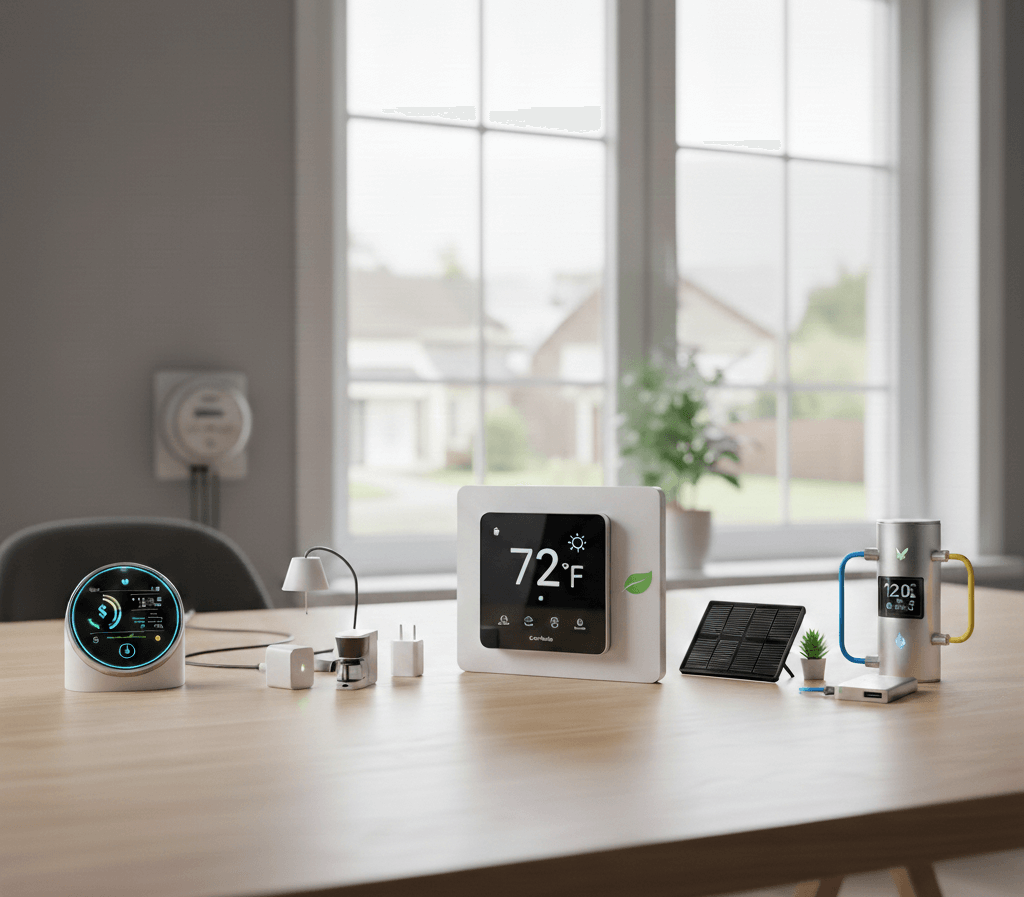
Quick Verdict: For UK homeowners in 2026, the #1 tool for energy reduction is Octopus Energy (via the Intelligent Octopus app), while Rocket Money is best for identifying hidden “vampire” subscription waste. Using these together can save a typical British household over £120 per month by automating off-peak energy usage and cancelling forgotten recurring charges.
While the Ofgem price cap fell to £1,641 in April 2026, household budgets remain under pressure from rising standing charges and high standing network costs. For most British families, managing monthly expenses is no longer about just “switching off lights”—it is about using intelligent automation to stop waste at the source.
In 2026, smart home technology has matured into a vital financial asset. This guide reviews the top five tools that provide realistic, sustainable savings for UK homeowners today.
1. Smart Energy Monitor: Emporia Vue 3 (UK Edition)
Most “In-Home Displays” (IHDs) provided by suppliers are too basic. The Emporia Vue 3 is the gold standard for 2026 because it monitors individual circuits.
- How it saves money: It clamps onto your consumer unit (fuse box) to identify exactly which appliances—like a faulty immersion heater or an old fridge—are spiking your bill.
- Vampire Load Detection: Tracks the 3:00 AM “background” power drain, helping you identify devices that should be unplugged.
- Estimated Savings: 10% – 25% on annual electricity spend.
- Best for: Larger households or those with electric vehicle (EV) chargers.
2. Smart Plug System: TP-Link Tapo P110M
Standby power—often called “phantom load”—costs the average UK semi-detached home over £50 per year. The Tapo P110M is the leading choice in 2026 due to its Matter compatibility and precise energy reporting.
- How it saves money: You can schedule appliances like TVs, coffee machines, and routers to cut power completely overnight.
- Pence-Per-Hour Tracking: The app shows exactly how much each device costs you in real-time GBP.
- Estimated Savings: 5% – 15% on monthly electricity bills.
- Best for: Tech-heavy living rooms and home offices.
3. Smart Thermostat: tado° Smart Radiator Valves (V3+)
Heating is the single largest expense for UK homes. While many systems heat the whole house at once, tado° specialises in “multi-zone” control for British radiator systems.
- How it saves money: Instead of one thermostat for the house, smart valves on each radiator turn off the heat in unused rooms.
- AI Weather Compensation: The system detects when a 2026 UK heatwave is coming and pauses the boiler early to prevent overheating.
- Estimated Savings: 22% – 31% on annual gas bills.
- Best for: Draughty Victorian or Edwardian homes with central heating.
4. Solar Power Starter Kit: ECO-WORTHY 120W System
With UK electricity unit rates still averaging 24.67p per kWh in 2026, generating your own power is a high-yield investment. A starter kit is an ideal entry point.
- How it saves money: This DIY-friendly kit powers small daily loads—like home office laptops, security cameras, and garden lighting—entirely for free.
- Peak Shaving: Use the stored battery power during the expensive 4:00 PM – 7:00 PM peak period.
- Estimated Savings: £100 – £250 per year on daytime electricity.
- Best for: Remote workers and garden office setups.
5. Subscription Auditor: Rocket Money (UK Edition)
Utility bills aren’t the only drain on your bank account. In 2026, “subscription creep” is a major financial leak for UK consumers.
- How it saves money: The app links to your UK bank account (via secure Open Banking) to find forgotten streaming services, gym memberships, and “vampire” insurance renewals.
- Automated Cancellations: Premium users can have the app’s concierge cancel unwanted services on their behalf.
- Estimated Savings: Average members identify £15 – £40 in monthly waste.
- Best for: Anyone who hasn’t audited their direct debits in over six months.
Comparison of UK Bill Reduction Tools (2026)
| Device | Focus Area | UK Price (Est.) | Average Saving |
|---|---|---|---|
| Emporia Vue 3 | Whole-Home Power | £150 – £199 | 15% Electricity |
| Tapo P110M | Standby Power | £12 – £15 | £10/month |
| tado° V3+ | Gas Heating | £179 (Starter) | 28% Gas |
| Solar Starter | Daytime Loads | £110 | £15/month |
| Rocket Money | Subscriptions | Free / Premium | £30/month |
Frequently Asked Questions
Which tool is best for reducing UK energy bills in 2026? The tado° Smart Thermostat typically offers the fastest return on investment for UK homes by allowing you to heat only the rooms you are using, drastically cutting gas consumption.
Are these tools compatible with UK smart meters? Yes. Most 2026 energy monitors and apps (like Octopus Energy) sync directly with SMETS2 smart meters to provide real-time tariff data.
Do I need a professional to install these? The Tapo plugs and Rocket Money are 100% DIY. The tado° system is DIY-friendly for most, while the Emporia Vue 3 requires a qualified electrician for installation in your consumer unit.
Final Recommendation
To see immediate results, start with the Tapo P110M smart plugs to kill standby waste. For long-term financial health, combining Octopus Energy’s smart tariffs with a tado° heating system is the most effective way to protect your home from future energy price spikes.
Learn more at TechToTable’s Energy Saving Guides.
How It Reduces Monthly Bills
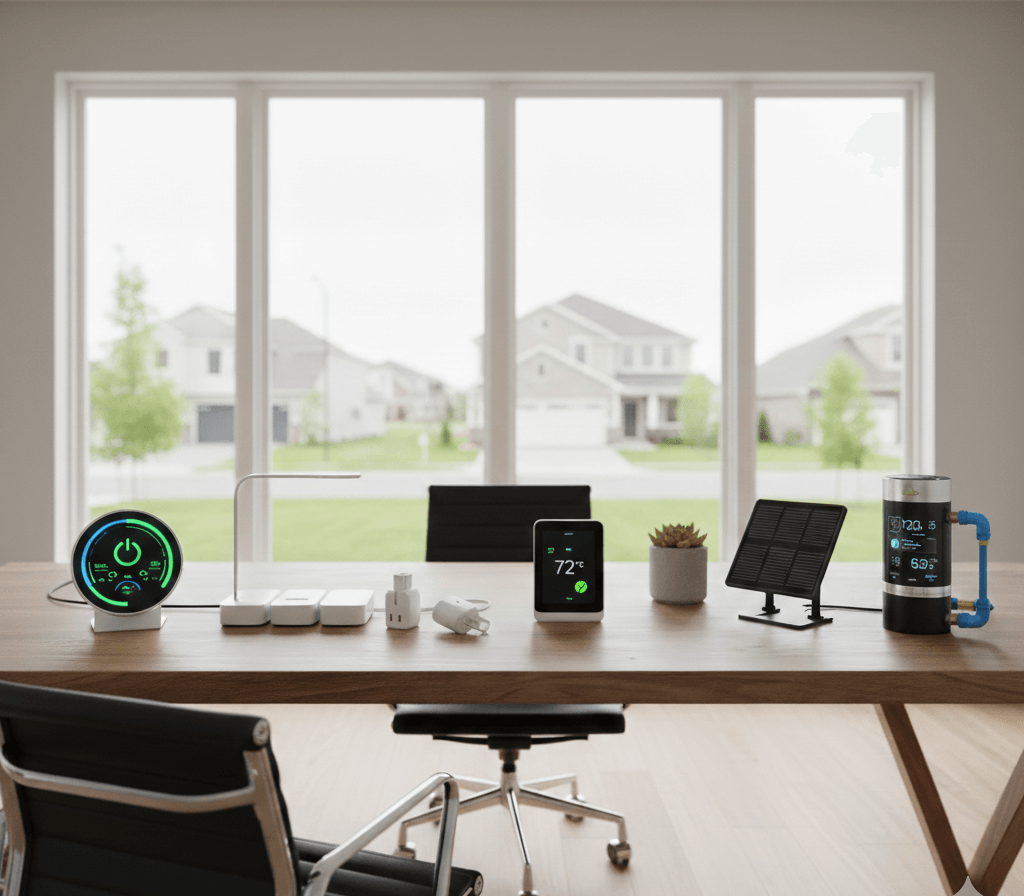
Solar kits provide free electricity from sunlight, reducing dependence on grid power.
They are commonly used for:
- Lighting systems
- Fans
- Charging devices
- Security cameras
- Routers
- Emergency backup
Advantages of Solar Kits
- Protection from tariff increases
- Reduced load-shedding impact
- Long-term savings
- Environmentally friendly
- Low maintenance
Estimated Savings
Even small solar systems can reduce electricity bills by 20% to 40%.
5. Smart Water and Gas Usage Monitor
What Is a Utility Usage Monitor?
This device tracks water and gas consumption in real time. It detects leaks, abnormal usage, and inefficient patterns.
Modern monitors connect to apps and send alerts.
How It Helps Reduce Bills
Water and gas wastage often goes unnoticed until bills arrive.
Smart monitors help by:
- Detecting hidden leaks
- Monitoring shower and tap usage
- Identifying faulty appliances
- Preventing long-term damage
- Promoting conservation habits
Important Features
- Leak detection
- Usage alerts
- Mobile access
- Monthly analytics
- Emergency shut-off
Estimated Savings
These monitors can reduce water and gas bills by 10% to 20%.
How to Choose the Right Bill Reduction Tools
Not every home needs every device. Choose wisely based on your needs.
Consider These Factors
1. Your Main Expense
Identify whether electricity, water, or gas is your biggest cost.
2. Budget
Start with affordable tools like smart plugs before upgrading.
3. Compatibility
Ensure devices work with your phone and network.
4. Ease of Use
Choose simple systems that all family members can manage.
5. Support and Warranty
Reliable customer support ensures long-term value.
Combined Impact: How Much Can You Save?
When used together, these tools can reduce total household bills by:
- 25% to 45% in small homes
- 35% to 55% in medium homes
- Up to 60% in large households
This can translate to thousands of rupees or pounds saved each year.
Best Practices for Maximum Savings
Technology works best when combined with smart habits.
Daily Energy-Saving Habits
- Switch off unused lights
- Unplug idle devices
- Use natural daylight
- Limit peak-hour usage
- Maintain appliances regularly
Monthly Maintenance Tips
- Clean AC filters
- Check wiring
- Inspect plumbing
- Update device software
- Review energy reports
Real-Life Cost Example
In real terms, a household spending £180 or PKR 45,000 per month on utilities could reduce costs by £40 to £70 or PKR 10,000 to 18,000 through smart monitoring and automation. Over a year, these savings can cover the full cost of most energy-saving devices.
Practical User Experience
Homeowners who consistently use these tools report better control over their daily routines, fewer surprise bills, and improved budgeting confidence. By tracking usage patterns and adjusting habits, families can maintain comfort while reducing unnecessary spending. This long-term awareness is what turns technology into a reliable financial asset.
Frequently Asked Questions
What are the best tools to reduce monthly home bills in 2026?
The best tools for reducing monthly home bills in 2026 include smart energy monitors, app-controlled smart plugs, smart thermostats, solar controllers, and energy-efficient appliances. These devices help homeowners track usage, control consumption, and reduce unnecessary energy waste.
How can homeowners save money on electricity bills using technology?
Homeowners can save money on electricity bills by using smart devices that monitor and control energy usage. Smart plugs turn off idle appliances, energy monitors identify high-consumption areas, and smart thermostats automatically adjust heating and cooling for better efficiency.
Do smart plugs, smart thermostats, or energy monitors actually reduce bills?
Yes, when used correctly, smart plugs, smart thermostats, and energy monitors can significantly reduce monthly bills. These tools prevent energy wastage, optimise appliance usage, and help homeowners make informed decisions about their electricity consumption.
How much can a smart energy monitor save on a monthly bill?
A smart energy monitor can help homeowners save between 10% and 25% on their monthly electricity bill, depending on usage habits. By identifying energy-draining appliances, users can adjust their routines and reduce unnecessary consumption.
Are app-controlled devices worth the cost for reducing bills?
App-controlled devices are usually worth the investment for long-term savings. Although they may cost more initially, they allow users to monitor and control energy usage remotely, leading to consistent reductions in electricity and gas bills over time.
What is the cheapest tool to reduce monthly utility bills at home?
Smart plugs are one of the most affordable tools for reducing utility bills. They are inexpensive, easy to install, and allow homeowners to automatically turn off unused appliances, helping reduce unnecessary energy consumption.
Can solar controllers or solar panels reduce home energy bills in 2026?
Yes, solar controllers and solar panels can significantly reduce home energy bills in 2026. These systems manage solar energy efficiently, reduce dependence on grid electricity, and provide long-term savings, especially in sunny regions.
How often should I check energy usage to reduce monthly bills?
Homeowners should review their energy usage at least once a week. Regular monitoring helps identify unusual spikes in consumption and allows users to adjust habits quickly, preventing unnecessary monthly expenses.
What tools can help manage water, gas, and electricity bills at home?
Smart meters, water flow sensors, gas usage monitors, and energy tracking apps can help manage water, gas, and electricity bills. These tools provide real-time data, helping homeowners control overall household expenses.
How do smart thermostats compare to traditional energy saving methods?
Smart thermostats are more effective than traditional methods because they automatically learn user preferences and adjust temperatures accordingly. Unlike manual thermostats, they reduce energy waste by optimising heating and cooling schedules.
How Long Before I See Savings?
Most users notice reduced bills within 2–3 months.
Is Professional Installation Required?
Many tools are DIY-friendly, but solar systems may need professional support.
Final Thoughts
Reducing monthly household bills in 2026 is no longer about cutting comfort. It is about using technology intelligently. Smart energy monitors, plugs, thermostats, solar kits, and utility trackers empower homeowners to take full control of their consumption.
By investing in these tools and adopting mindful habits, you can significantly lower your expenses while contributing to a more sustainable future.
Start small, stay consistent, and let smart technology work in your favour.Learn more at TechToTable’s Energy Saving Guides.