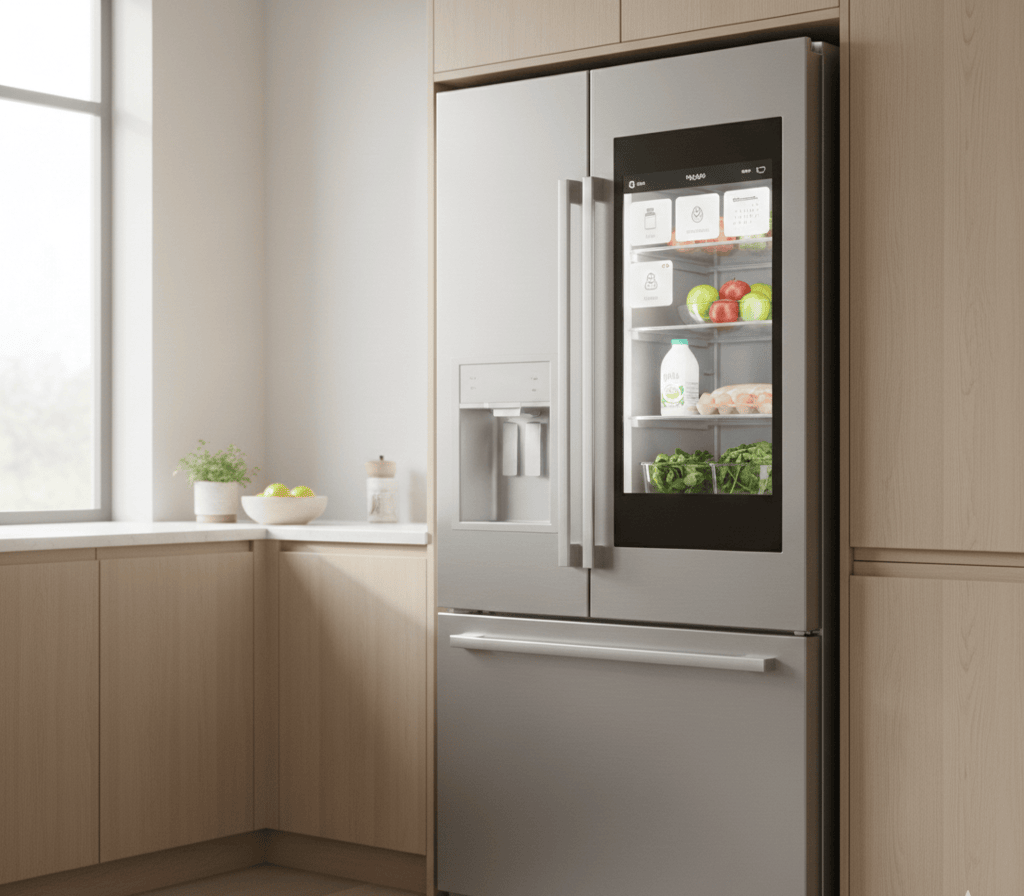
Modern kitchens are rapidly evolving, and smart appliances are becoming increasingly common across British households. Among these innovations, smart fridges have gained significant attention for their advanced technology, automation features, and potential to reduce food waste.
However, many homeowners still ask an important question: are smart fridges worth it in the UK, or are they simply expensive gadgets with limited practical benefits?
In 2026, this question is more relevant than ever as rising energy prices, grocery costs, and sustainability concerns influence purchasing decisions. This guide provides a comprehensive look at real expenses, potential savings, and long-term financial value to help you determine whether investing in a smart refrigerator makes sense for your household.
Quick Answer: Are Smart Fridges Worth It in the UK?
Smart fridges can be worth the investment in the UK if you want to reduce food waste, improve kitchen organisation, and save money over time. Their real value comes from features such as inventory tracking, expiry alerts, and energy-efficient cooling systems, which can help households save hundreds of pounds annually on groceries and electricity. However, the benefits depend on consistent use and household needs.
Understanding What Makes a Fridge “Smart”
A smart fridge is not simply a refrigerator with a screen attached. It is an intelligent appliance equipped with sensors, cameras, and connectivity features designed to improve food management and efficiency.
These appliances connect to mobile applications and home networks, allowing users to monitor contents remotely, track expiration dates, and optimise storage conditions automatically.
Unlike traditional fridges, which passively preserve food, smart models actively assist with organisation, planning, and consumption.
How Much Do Smart Fridges Cost in the UK?
One of the biggest concerns for buyers is the initial purchase price.
In 2026, entry-level smart fridges in the UK typically start at around £1,200, while premium models with advanced AI features can exceed £3,500. This is considerably higher than conventional refrigerators, which usually range between £400 and £900.
The higher price reflects the integration of advanced technology such as internal cameras, predictive cooling systems, and connectivity platforms.
While this upfront investment can appear significant, long-term savings potential often determines whether the purchase is financially justified.
Where Do Smart Fridge Savings Come From?
The concept of smart fridge savings primarily revolves around reducing food waste and improving energy efficiency.
Reducing Food Waste
One of the most impactful financial benefits is minimising discarded groceries. Studies suggest the average UK household wastes hundreds of pounds worth of food annually due to forgotten items, spoilage, and over-purchasing.
Smart fridges address this issue by providing:
- Real-time inventory tracking
- Expiry reminders
- Visibility through internal cameras
- Meal suggestions based on available ingredients
By helping households consume food more efficiently, these features can significantly reduce unnecessary grocery spending.
Energy Efficiency Improvements
Modern smart refrigerators often include inverter compressors and adaptive cooling technology, which automatically adjust power usage based on internal conditions.
Compared to older appliances, many models consume less electricity despite their advanced features.
With energy prices continuing to fluctuate across the UK, efficient appliances can deliver meaningful long-term savings.
Calculating Smart Fridge ROI
When assessing smart fridge ROI, it is important to consider both direct and indirect financial benefits.
Direct Financial Returns
Savings may come from:
- Reduced grocery waste
- Lower electricity consumption
- Fewer duplicate purchases
Over several years, these factors can offset a substantial portion of the initial investment.
Indirect Value Benefits
Beyond measurable savings, smart fridges also provide convenience and lifestyle improvements.
These include:
- Time saved during shopping
- Reduced stress from food planning
- Better organisation
- Improved meal preparation efficiency
While harder to quantify, these benefits contribute to overall household value.
Comparing Smart Fridges with Traditional Models
Traditional refrigerators focus solely on cooling and storage. They require manual organisation, frequent checking, and constant monitoring to avoid waste.
Smart models, by contrast, function as digital kitchen assistants.
They help track usage patterns, automate reminders, and optimise storage conditions without user intervention.
For households prioritising efficiency and organisation, this added functionality can justify the higher purchase price.
Who Benefits Most from Smart Fridges?
Not every household will gain equal value from a smart appliance.
Smart fridges tend to deliver the greatest benefits for:
- Large families managing high grocery volumes
- Busy professionals with limited time for meal planning
- Households aiming to reduce waste
- Technology-focused smart home users
Smaller households or minimal users may see less financial impact, making the investment less compelling.
Long-Term Ownership Costs
Beyond purchase price, long-term ownership costs also influence value.
These may include maintenance, software updates, and potential repair expenses.
However, many manufacturers now offer extended warranties and modular component designs, improving reliability and reducing servicing costs.
Durability improvements mean modern smart fridges can remain functional for many years. Learn more at TechToTable’s Smart Home Guides
Environmental Benefits and Sustainability
Reducing food waste has important environmental implications.
Food waste contributes significantly to greenhouse gas emissions due to decomposition in landfills and resource usage during production.
By helping households manage food more efficiently, smart refrigerators support sustainable living practices.
For environmentally conscious buyers, this added benefit strengthens the case for investment.
Common Concerns About Smart Fridges
Despite their advantages, smart fridges are not without concerns.
Some buyers worry about:
- Privacy related to connected devices
- Complexity of features
- Dependence on internet connectivity
However, most manufacturers now include robust security protocols, simplified user interfaces, and offline functionality for essential operations.
Are Smart Fridges Worth It in the UK?
Whether a smart fridge is worthwhile ultimately depends on individual circumstances.
For households seeking improved organisation, reduced waste, and long-term savings, the investment can deliver substantial value.
For users with limited food storage needs or tight budgets, traditional refrigerators may remain a practical choice.
Understanding your cooking habits, shopping patterns, and lifestyle priorities is essential when making the decision.
Future Trends in Smart Refrigeration
Smart kitchen technology continues to advance rapidly.
Emerging developments include:
- AI-driven meal planning
- Predictive spoilage detection
- Integration with grocery delivery services
- Automated inventory updates
These innovations will further enhance the practicality and efficiency of smart refrigeration.
Frequently Asked Questions
Are smart fridges worth it in the UK?
Smart fridges can be worth the investment in the UK for households that want to reduce food waste, improve kitchen organisation, and manage grocery spending more efficiently. Their value depends on how consistently their features are used and whether the household stores large amounts of food regularly.
How much money can a smart fridge save per year?
A smart fridge can help UK households save approximately £200 to £400 per year by preventing food spoilage, reducing duplicate purchases, and improving energy efficiency. Over several years, these savings can offset a significant portion of the initial purchase cost.
Do smart fridges use more electricity than normal fridges?
Most modern smart fridges are designed with energy-efficient inverter technology and adaptive cooling systems. As a result, they typically use similar or even less electricity than older traditional refrigerators.
What is the return on investment (ROI) for a smart fridge?
Smart fridge ROI comes mainly from long-term savings through reduced food waste, better grocery planning, and lower energy consumption. Many households recover part of the investment within a few years of regular use.
Who should consider buying a smart fridge?
Smart fridges are most suitable for busy families, large households, and people who want better control over food storage and meal planning. They are particularly beneficial for those aiming to reduce waste and adopt a more organised kitchen routine.
Final Verdict
Smart fridges are no longer luxury gadgets reserved for high-end homes. They are evolving into practical tools that support efficient household management.
While the initial investment is higher than traditional models, the potential for reduced food waste, improved organisation, and long-term savings makes them a worthwhile consideration for many UK households.
For families focused on sustainability, convenience, and smarter living, a smart fridge can represent a valuable long-term investment.
Key Takeaway
Before purchasing, carefully evaluate your lifestyle needs, food usage patterns, and budget. When used consistently, smart fridges can deliver measurable financial and practical benefits over time. Learn more at TechToTable’s Smart Home Guides