Harness the power of smart heating to optimize your home’s efficiency and slash your monthly utility bills.
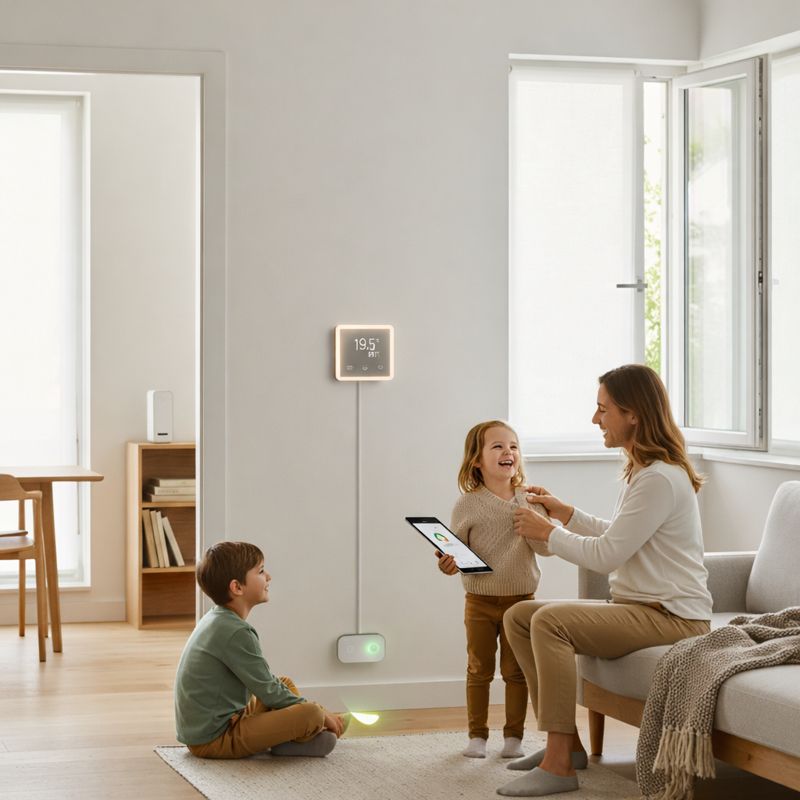
Rising energy costs and growing environmental concerns have made home heating efficiency more important than ever. Traditional heating systems often waste energy by heating unused rooms or operating when no one is present. Smart heating systems address these issues by giving homeowners greater control, automation, and insight into their energy use. When used correctly, smart heating can significantly reduce energy consumption while lowering monthly bills.
This article explains how smart heating works and focuses on three key features that make the biggest difference: multi-room control, intelligent scheduling, and Away Mode automation.
What Is Smart Heating?
Smart heating refers to a system that allows you to control your home’s heating remotely and intelligently using connected devices such as smart thermostats, radiator valves, and mobile applications. These systems learn your routines, respond to real-time conditions, and optimise heating based on how and when you actually use your home.
Unlike conventional thermostats, smart heating systems provide room-by-room control and automation, helping to eliminate unnecessary energy waste.
Multi-Room Control: Heat Only What You Need
One of the most effective features of smart heating is multi-room control, also known as zoning. In a traditional system, all rooms are heated to the same temperature, regardless of whether they are occupied. This often leads to wasted energy, especially in spare rooms, hallways, or home offices that are not used daily.
How Multi-Room Control Works
Smart radiator valves or zoned thermostats allow you to set different temperatures for each room. For example:
- Living rooms can be kept warm in the evening.
- Bedrooms can be cooler at night.
- Unused rooms can remain minimally heated.
Energy and Cost Benefits
By heating only the rooms you use, you can reduce overall energy consumption by up to 20–30 percent, depending on household size and usage patterns. Over time, this translates into noticeable savings on heating bills without sacrificing comfort.
Multi-room control is particularly beneficial for:
- Larger homes
- Households with varying schedules
- Remote or hybrid workers
Smart Scheduling: Heating That Fits Your Routine
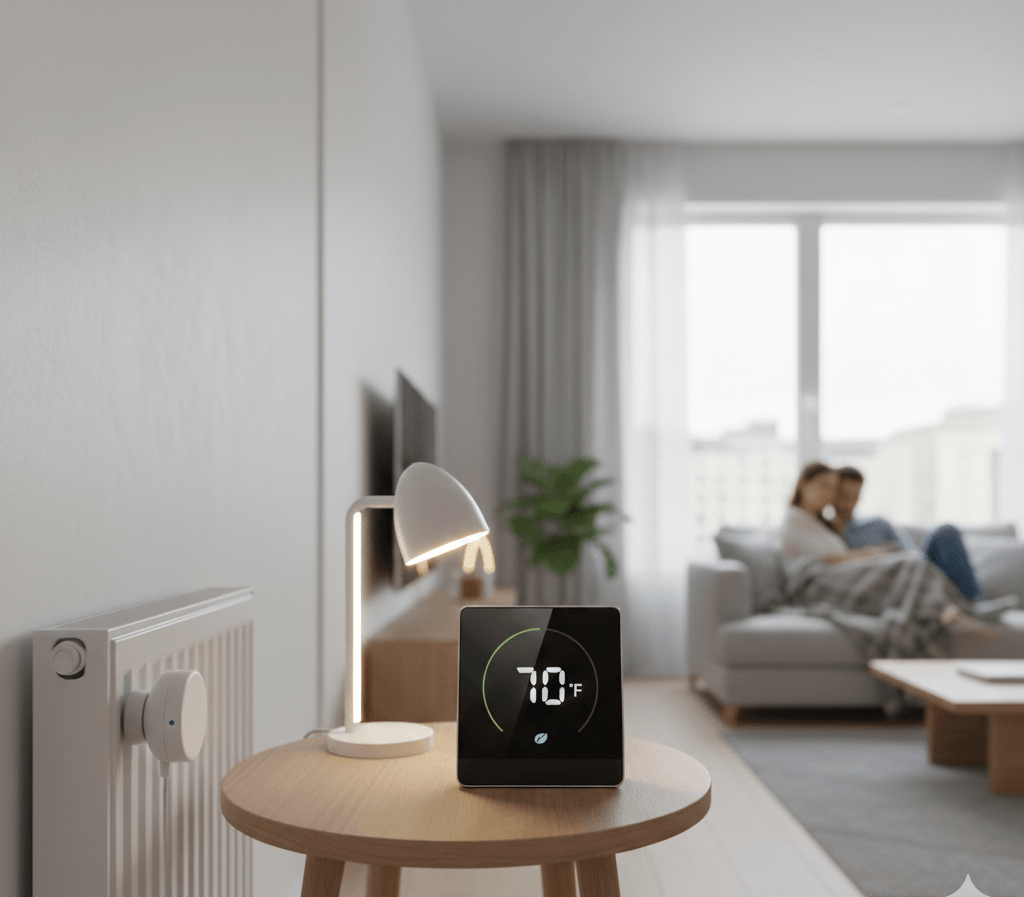
Smart scheduling allows your heating system to operate around your daily routine rather than running continuously. Instead of manually adjusting the thermostat, you can programme your system to heat your home only when needed.
Intelligent Scheduling Features
Modern smart heating systems offer:
- Weekly and daily schedules
- Adaptive learning based on usage patterns
- Automatic adjustments for weather changes
For example, your heating can:
- Warm the house before you wake up
- Lower temperatures during work hours
- Increase comfort levels in the evening
- Reduce heating overnight
Why Scheduling Saves Energy
Heating an empty home is one of the most common causes of wasted energy. With smart scheduling, your system ensures heat is delivered at the right time and stopped when it is no longer needed. This avoids unnecessary boiler usage and extends the lifespan of heating equipment.
Over time, efficient scheduling can lead to consistent energy savings while maintaining a comfortable living environment. Learn more at TechToTable’s Energy Saving Guides.
Away Mode Automation: Prevent Wasted Heating
Away Mode is one of the most powerful automation features in smart heating systems. It ensures your heating automatically reduces output when no one is at home, without requiring manual input.
How Away Mode Works
Away Mode can be activated in several ways:
- Manual selection in the app
- Location-based automation using your smartphone
- Integration with smart home systems
When activated, the system lowers temperatures to an energy-efficient level while still protecting your home from dampness or freezing.
Financial and Practical Advantages
Away Mode is beneficial for:
- Holidays and extended trips
- Unpredictable schedules
- Busy households may forget to adjust the heating
By preventing your heating from running unnecessarily, Away Mode can reduce heating costs significantly over the course of a year. It also provides peace of mind, as your home remains protected even when you are away.
Additional Benefits of Smart Heating
Beyond energy savings, smart heating systems offer several long-term advantages:
- Real-time energy monitoring, helping you understand usage patterns
- Remote control, allowing adjustments from anywhere
- Improved comfort, with consistent and customised temperatures
- Reduced carbon footprint, supporting more sustainable living
These benefits make smart heating a practical investment rather than a luxury.
Is Smart Heating Worth It?
While smart heating systems require an upfront investment, the long-term savings often outweigh the initial cost. Many homeowners recover their investment within a few years through reduced energy bills alone.
Smart heating is particularly worthwhile for households looking to:
- Lower energy costs
- Improve home comfort
- Gain better control over heating usage
- Reduce environmental impact
Conclusion
Smart heating offers a practical and effective way to reduce energy use and save money without compromising comfort. Features such as multi-room control, intelligent scheduling, and Away Mode automation work together to eliminate wasted heating and optimise energy efficiency.
As energy prices continue to rise, adopting smart heating technology is a forward-thinking decision that benefits both your household budget and the environment. With the right setup and usage, smart heating transforms the way homes stay warm—efficiently, intelligently, and cost-effectively. Learn more at TechToTable’s Energy Saving Guides.