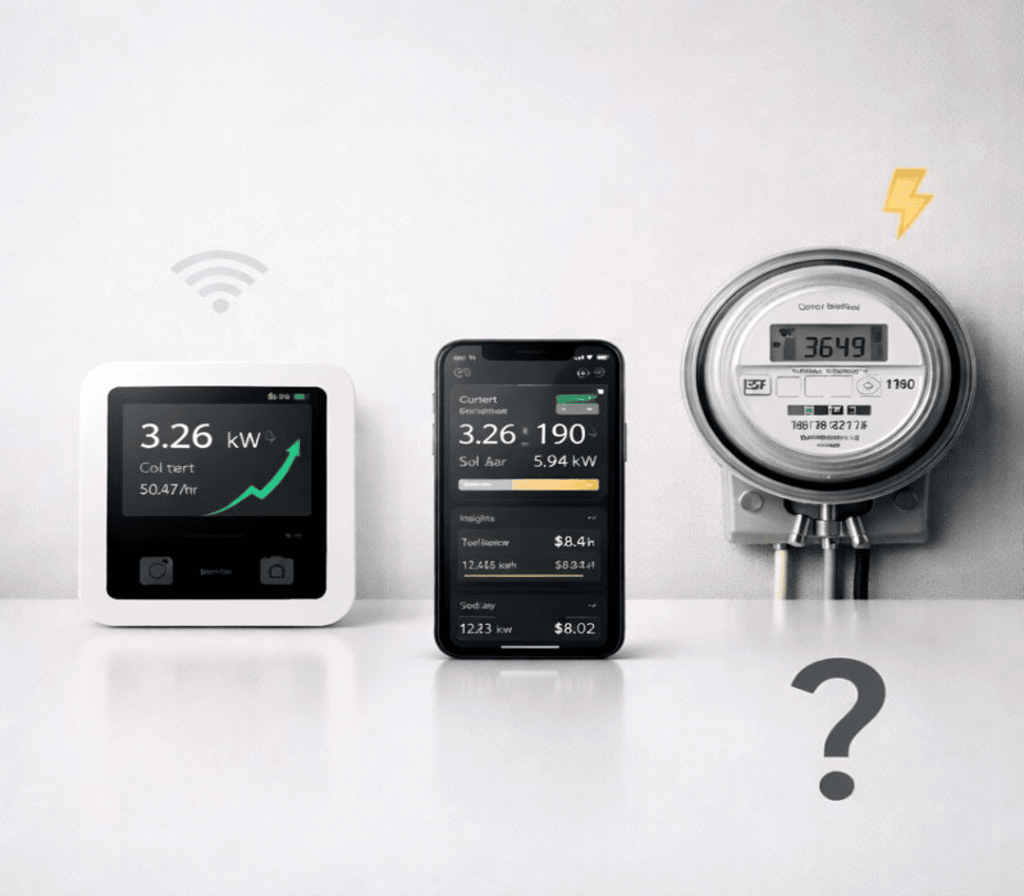
Smart home energy monitoring systems track real-time electricity consumption, identify high-usage appliances, and provide detailed reports through mobile apps. These systems help homeowners understand their energy habits, reduce waste, and make informed decisions to improve efficiency and lower monthly bills.
In 2026, the idea of “smart home” has expanded beyond just convenience and automation. A significant focus has shifted to energy intelligence – understanding, controlling, and optimizing power consumption throughout your home. At the forefront of this movement are smart home energy monitoring systems.
But with installation costs and varying levels of sophistication, a crucial question arises: Is installing a smart home energy monitoring system truly worth the investment? This article delves into the tangible benefits, potential savings, and key considerations for homeowners contemplating this intelligent upgrade. We’ll explore how these systems work, what they offer, and whether the return on investment justifies the initial outlay. Learn more at TechToTable’s Energy Saving Guides.
1. What Exactly is Smart Home Energy Monitoring?
Before we discuss its worth, let’s define what we’re talking about. A smart home energy monitoring system provides real-time data on your electricity (and sometimes gas/water) consumption. It goes beyond what your utility company’s smart meter offers by breaking down usage to individual appliances or circuits.
How it Works:
- Current Transformers (CT Clamps): These are the most common method. Small clamps attach around the main electrical service wires in your breaker panel, non-invasively detecting the current flowing through them.
- Sub-metering: Some advanced systems allow you to place individual CT clamps on specific circuits (e.g., your HVAC, water heater, kitchen outlets) to monitor their usage independently.
- Wireless Transmission: Data from the CT clamps is sent wirelessly to a central hub.
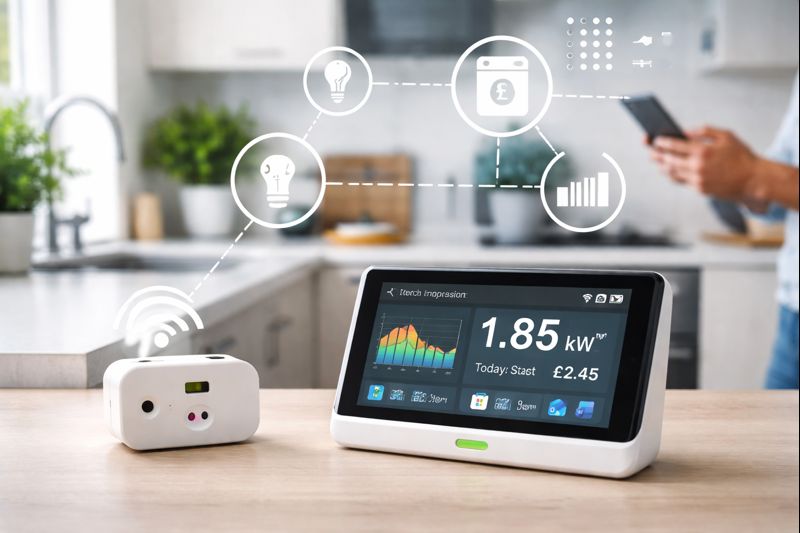
- App/Web Interface: The hub then transmits this data to a user-friendly app or web portal, displaying consumption in kWh, cost ($), and often providing historical trends and insights.
Comparison Table
| Feature | Basic Monitor | Advanced Monitor | Smart Meter | AI Monitor |
|---|---|---|---|---|
| Real-Time Tracking | Yes | Yes | Limited | Yes |
| Appliance Detection | No | Partial | No | Yes |
| Mobile App | Basic | Advanced | Limited | Advanced |
| Monthly Reports | Yes | Yes | No | Yes |
| Price Range | £50–£90 | £100–£200 | Free/Utility | £200+ |
2. The Tangible Benefits: Beyond Just Numbers
a) Real-Time Awareness & Behavioral Change
This is the immediate and most impactful benefit. Seeing your energy consumption in real-time creates a powerful feedback loop.
- Spotting Energy Hogs: Notice a sudden spike in consumption when an old appliance kicks on? This immediately flags inefficient devices.
- Understanding “Phantom Load”: Discover how much electricity your devices consume even when turned off (e.g., TVs, game consoles, phone chargers).
- Empowering Action: When you see a direct correlation between turning off lights or unplugging a device and a drop in your energy graph, it encourages sustainable habits.
- Studies show that simply having access to real-time energy data can reduce household consumption by 5-15% through behavioral changes alone.
b) Identifying Inefficient Appliances & Systems
One of the most valuable long-term benefits is pinpointing where your money is truly going.
- HVAC Optimization: Your heating and cooling system is often the biggest energy consumer. Detailed monitoring can reveal if your HVAC is running too frequently, inefficiently, or if there are underlying issues.
- Appliance Lifespan: An aging refrigerator might be drawing significantly more power than a newer, more efficient model, justifying an upgrade.
- Hidden Leaks: Monitoring can help identify issues like a constantly running well pump due to a leak, or an always-on sump pump in a wet basement.
c) Proactive Maintenance & Problem Detection
Energy monitoring systems can act as an early warning system.
- Flickering Lights: A sudden, inexplicable surge on a circuit could indicate a loose connection or faulty wiring, prompting a safety check before a major electrical issue arises.
- Failing Components: An HVAC unit drawing unusual amounts of power might indicate a failing compressor or a dirty filter, allowing for proactive maintenance before a complete breakdown.
3. The Financial ROI: Can It Pay for Itself?
The “worth” of an energy monitoring system largely comes down to its ability to save you money on utility bills.
- Installation Cost: Basic whole-home monitors (like Sense Home Energy Monitor or Emporia Vue) typically cost $200 – $400 for the hardware. Professional installation, if required, might add another $100-$300, bringing the total to $300 – $700. More advanced, multi-sensor systems could cost more.
- Average Savings: As mentioned, behavioral changes alone can yield 5-15% savings. For a household with an average electricity bill of $150/month ($1,800/year), a 10% saving translates to $180 per year.
| Cost Component | Range |
| Hardware | $200 – $400 |
| Professional Installation | $100 – $300 (Optional) |
| Total Initial Investment | $300 – $700 |
| Annual Savings (10% of $1,800 bill) | $180 |
- Payback Period: Based on these averages, a smart energy monitor could pay for itself in 1.5 to 4 years. This calculation doesn’t even factor in the savings from identifying and replacing inefficient appliances, which could drastically shorten the payback period.
Beyond Electricity: Gas & Water Monitoring
Some advanced systems integrate with smart gas and water meters, providing a holistic view of your home’s resource consumption.
- Water Leak Detection: Real-time water monitoring can alert you to a running toilet or a burst pipe, saving potentially thousands in damage and wasted water.
- Gas Usage: Understanding gas consumption for heating or cooking can lead to more efficient thermostat programming or appliance upgrades.
4. Considerations Before Installing:
- DIY vs. Professional Installation: While many systems are designed for DIY installation, working inside a breaker panel can be dangerous. If you’re not comfortable, hire a licensed electrician.
- Compatibility: Ensure the system is compatible with your home’s electrical panel (e.g., single-phase vs. three-phase power).
- Level of Detail: Do you need whole-home monitoring, or do you want circuit-level detail? This affects system cost and complexity.
- Data Privacy: Understand how your energy data is collected, stored, and used by the monitoring service.
- Integration with Smart Home Hub: Will it integrate with your existing smart home ecosystem (e.g., Apple HomeKit, Google Home, Amazon Alexa, Matter)?
Frequently Asked Questions
Q1. What does an energy monitor measure?
It measures electricity usage in real time and shows which devices consume the most power.
Q2. Can energy monitors reduce bills?
Yes. They help users adjust habits and avoid unnecessary consumption.
Q3. Do I need professional installation?
Most modern monitors are easy to install without professional help.
Q4. Are energy monitors accurate?
Yes. High-quality models provide very accurate data.
Q5. Is energy monitoring useful for small homes?
Yes. Even small households benefit from improved efficiency.
Conclusion: A Smart Investment for a Smarter Future
In 2026, smart home energy monitoring systems are no longer niche gadgets; they are powerful tools for financial savings and environmental stewardship. While there’s an initial investment, the ability to gain real-time insights, identify inefficiencies, and proactively manage your home’s energy consumption offers a compelling return.
For homeowners committed to reducing utility bills, improving energy literacy, and contributing to a more sustainable lifestyle, installing a smart home energy monitoring system is unequivocally worth it. It’s an investment that pays you back, year after year, in dollars saved and a deeper understanding of your home’s energy heartbeat. Learn more at TechToTable’s Energy Saving Guides.